
Call: 08045811474
 Send Inquiry
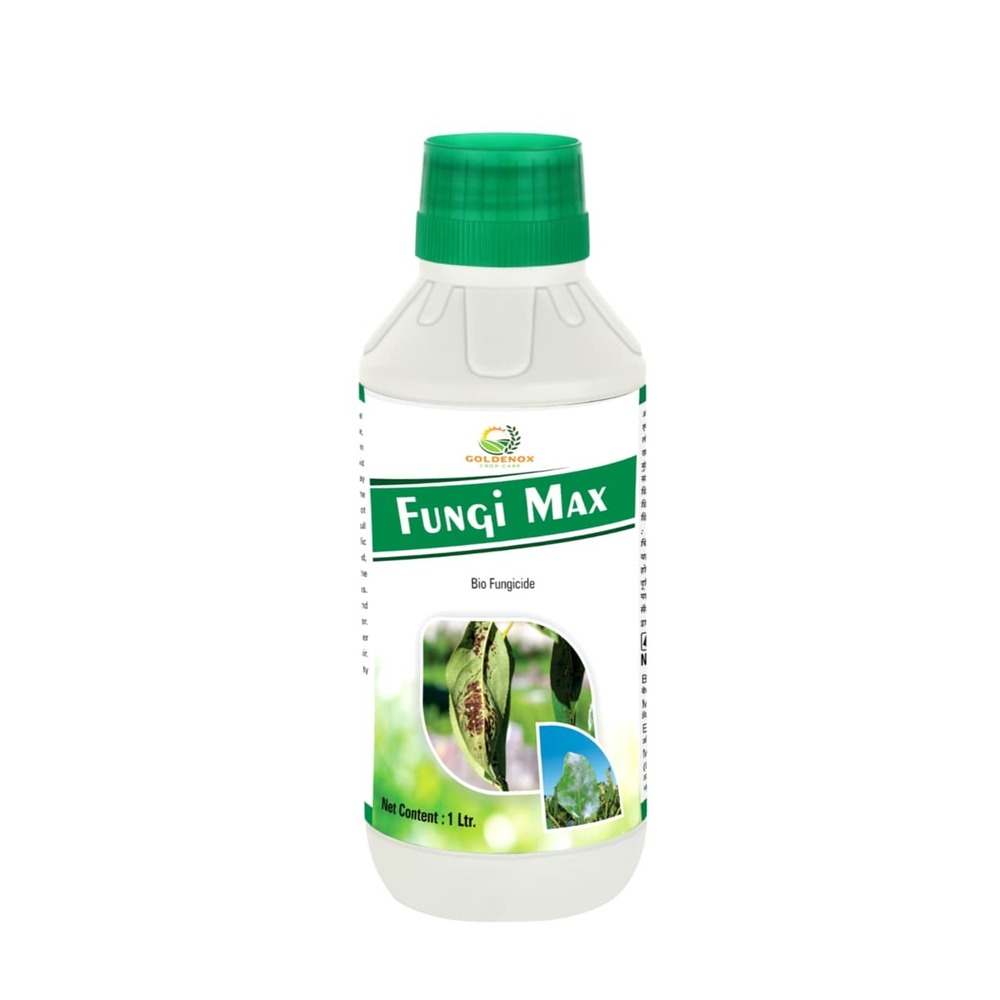
That's a great question! Bio-fungicides are a popular, eco-friendly option for controlling fungal diseases in plants.1 They use beneficial microorganisms or natural extracts to suppress or kill plant pathogens.2
Liquid bio-fungicides are especially convenient for easy application.
Here is a summary of the common types and how they are typically used:
Most liquid bio-fungicides are based on living organisms (microbial) or natural plant extracts.
| Active Ingredient (Microbial) | Primary Function/Target | Common Application |
| Trichoderma viride / harzianum | A beneficial fungus that acts as a hyperparasite (preys on pathogenic fungi) and competes for nutrients. | Controls soil-borne diseases like Root Rot, Wilt, Damping-off, and Stem Rot. |
| Pseudomonas fluorescens | A beneficial bacterium that suppresses pathogens through antibiosis (producing inhibitory compounds) and inducing systemic resistance in the plant. | Effective against a range of fungal and bacterial diseases, including Blight, Leaf Spot, and certain Nematodes. |
| Bacillus subtilis | A beneficial bacterium that forms a protective film on roots and leaves, competing with pathogens and producing anti-fungal compounds. | Controls Powdery Mildew, Downy Mildew, Rust, and various Rots. |
Other Organic/Natural Options:
Neem Oil: Not a microbial bio-fungicide, but a popular organic liquid that offers fungicidal, insecticidal, and miticidal properties. It is often used to control Powdery Mildew and Rust.
Plant Extract-Based Solutions: Products derived from plant oils or extracts that have natural anti-fungal properties.3
Liquid formulations are versatile and can be applied in several ways. Always check the specific product label for exact dilution rates and safety instructions.
Foliar Spray (Leaves):
Purpose: To control diseases on the leaves and above-ground parts of the plant (e.g., powdery mildew, leaf spot).4
Method: Dilute the specified amount of liquid concentrate with water and spray the entire plant, ensuring coverage on both the top and underside of the leaves. Spray until the plant is dripping, ideally during the late evening or early morning.
Key Tip: Bio-fungicides are often most effective when applied preventively (before infection) or at the very first sign of disease.5
Soil Drench or Root Zone Application:
Purpose: To protect roots and suppress soil-borne pathogens (e.g., root rot, wilt).
Method: Dilute the concentrate in water and apply it directly to the soil around the base of the plant, ensuring the entire root zone is treated.
Key Tip: Applying as a soil drench allows the beneficial microbes (like Trichoderma) to colonize the roots and compete with harmful fungi.
Seed/Seedling Treatment:
Purpose: To protect seeds and young seedlings from damping-off and other early-stage diseases.
Method:
Seed Treatment: Mix a small amount of liquid bio-fungicide with a little water to form a slurry, and thoroughly coat the seeds before planting.6
Seedling Dip: Dip the roots and lower stems of seedlings in a diluted solution for about 30 minutes before transplanting.7
General Guidelines:
Dilution: Dosage is typically in milliliters (ml) per liter of water (e.g., 5 ml per liter).8
Storage: Since they contain living microbes, store them in a cool, dry place and check the expiration date.9
Frequency: Repeat applications every 7 to 14 days are often necessary, especially for foliar applications, to protect new growth and maintain the microbial population


Price:
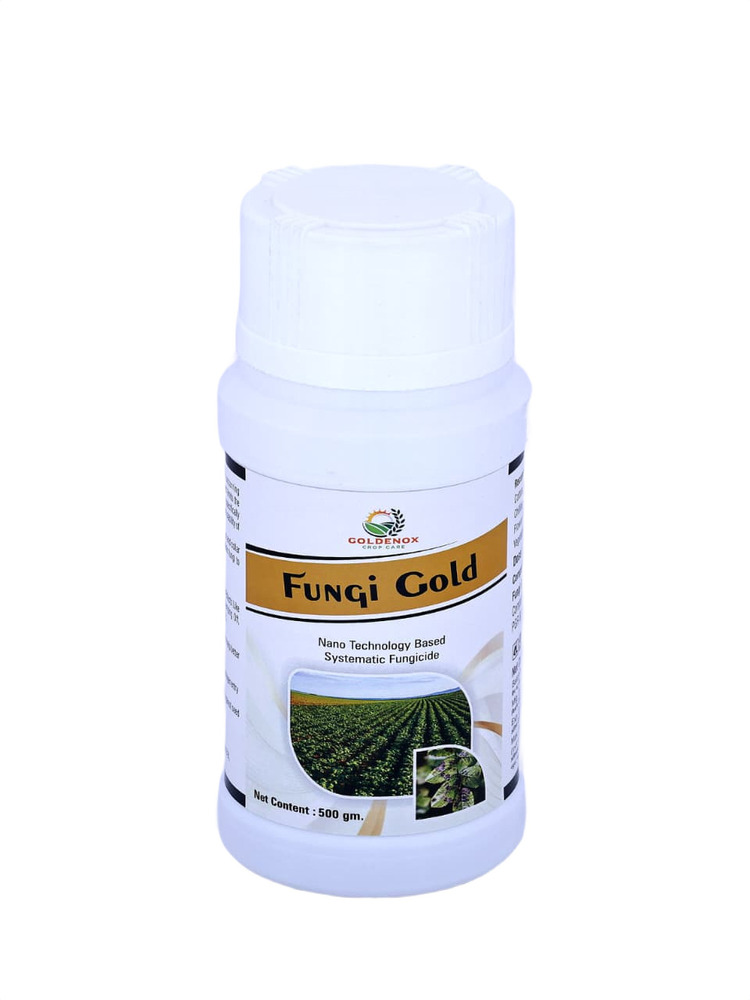
Price 700.0 INR / Liter
Minimum Order Quantity : 100 Kilograms
Release Type : Other
Color : White
Application : Agriculture
Purity(%) : 98%
GST : 24ABAFG8887G1Z3


 Send Inquiry

 Send Inquiry