
Talk to us
08045816336
Talk to us
08045816336
Tebuconazole 50% + Trifloxystrobin 25% WG (Water-Dispersible Granules) is a premium, top-tier combination fungicide highly regarded in modern agriculture. Best known commercially by trade names like Bayers Nativo, this product pairs a highly mobile systemic triazole with a powerful mesostemic/translaminar strobilurin.
It provides excellent preventive, curative, and eradicative action against a broad spectrum of fungal diseases.
This combination provides comprehensive internal and external protection:
Tebuconazole (50%) Systemic Demethylation Inhibitor (DMI): It is rapidly absorbed by the green parts of the plant and translocated upward (acropetally). It functions by inhibiting sterol biosynthesis in the fungal cell membranes, causing the fungal cell structures to collapse and halting internal infections.
Trifloxystrobin (25%) Mesostemic Strobilurin: It binds strongly to the waxy cuticle layer of the leaf, providing a durable surface shield. It has excellent translaminar movement (penetrating through to the underside of the leaf) and redistributes via vapor movement and surface moisture. It works by blocking cellular respiration in the fungi, cutting off their energy supply.
This formulation is incredibly versatile, protecting cereals, fruits, and cash crops alike.
| Target Crop | Common Diseases Controlled |
| Rice (Paddy) | Sheath Blight, Leaf Blast, Neck Blast, Glume Discoloration |
| Tomato | Early Blight |
| Chilli | Anthracnose, Powdery Mildew, Alternaria Leaf Spot |
| Grapes / Mango | Powdery Mildew, Anthracnose |
| Wheat | Yellow Rust, Powdery Mildew |
Because of its concentrated dry granule (WG) format, it dissolves cleanly in water and requires very low dosage rates per acre.
Standard Dosage:
Per Acre: Generally ranges from 70 to 140 grams per acre depending on the crop and disease pressure.
Per Liter of Water: Approximately 0.5 grams per liter of water.
Specific Crop Guidelines:
Rice: 80 grams per acre.
Chilli / Mango: 100 grams per acre.
Wheat: 120 grams per acre.
Tomato: 140 grams per acre.
Water Volume: Typically applied using 200 liters of water per acre to ensure complete and uniform canopy coverage.
The "Nativo" Effect: Beyond disease control, this combination often exhibits positive physiological effects on crops, such as enhanced stress tolerance (against drought or heat), better foliage greening, and improved grain/fruit milling quality.
Exceptional Rainfastness: Due to Trifloxystrobin's ability to lock onto the leaf's waxy surface layer, it becomes highly rainfast shortly after drying.
Built-In Resistance Management: Utilizing two distinct modes of action (FRAC groups 3 and 11) vastly reduces the risk of fungal populations mutating and building resistance.
Aquatic Toxicity Warning: This pesticide is highly toxic to fish and aquatic invertebrates. Never apply it directly to water bodies, and take extreme care to prevent spray drift or equipment rinsate from entering streams, ponds, or drainage ditches.
Weather Conditions: Avoid spraying when heavy rain is forecast within 2448 hours, or during high winds to minimize drift onto non-target areas.
Personal Safety: Wear appropriate personal protective equipment (PPE)including chemical gloves, face masks, and safety goggleswhen mixing and applying. Wash thoroughly with soap and water afterward.
Pre-Harvest Interval (PHI): Always respect the required waiting period between the last spray and harvest (usually 7 to 21 days depending on the specific crop and regional label mandates).
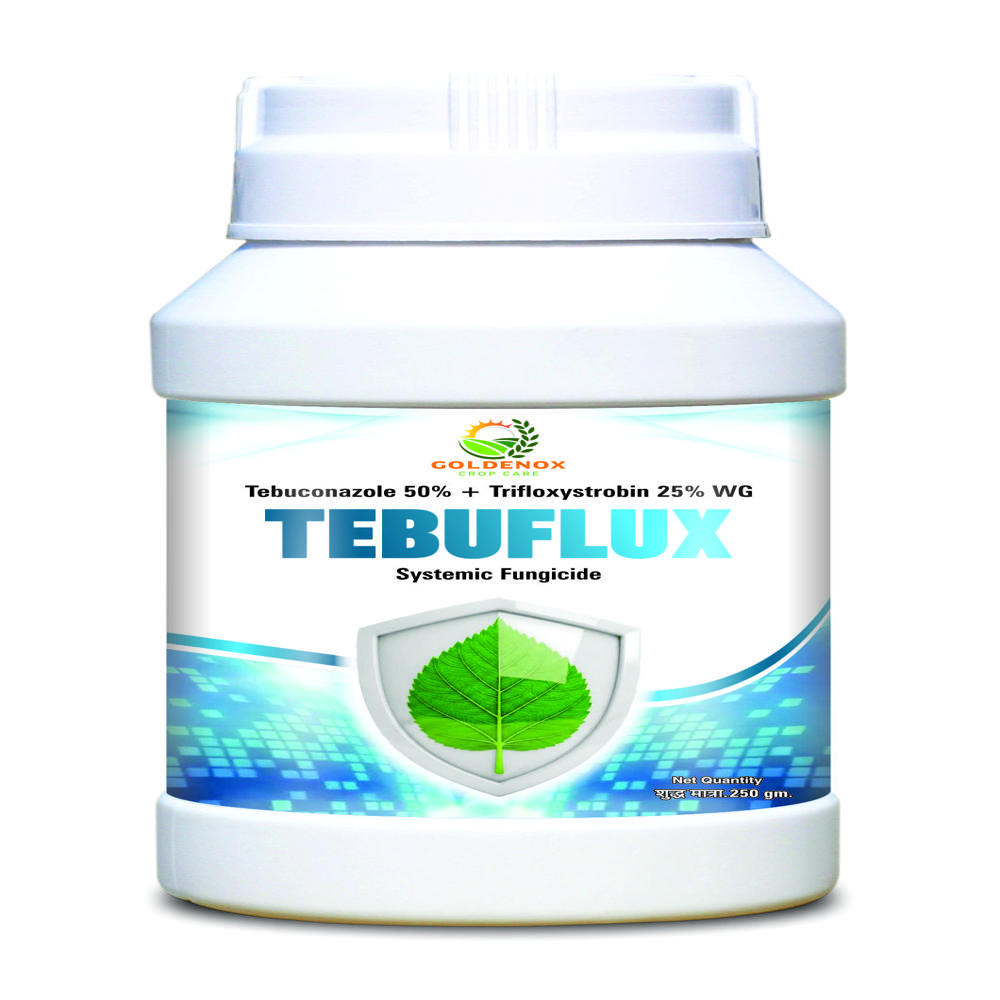

Price:
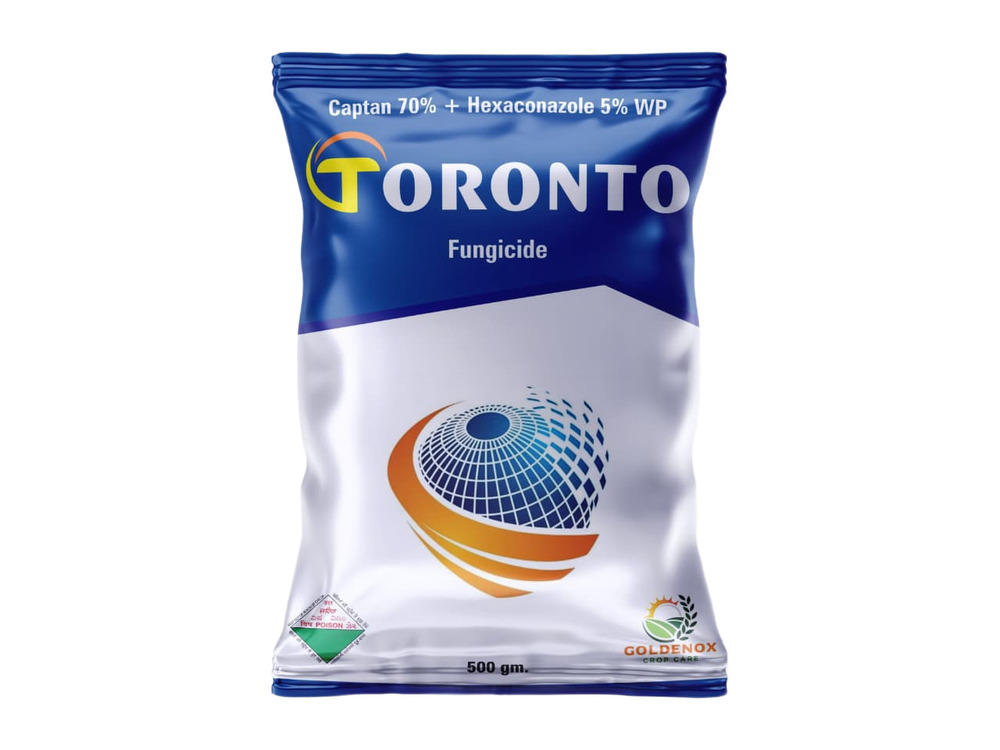
Price 1620.0 INR / Liter
Minimum Order Quantity : 100 Kilograms
MF : Goldenox
Type : Fungicide
Release Type : Other
Color : White
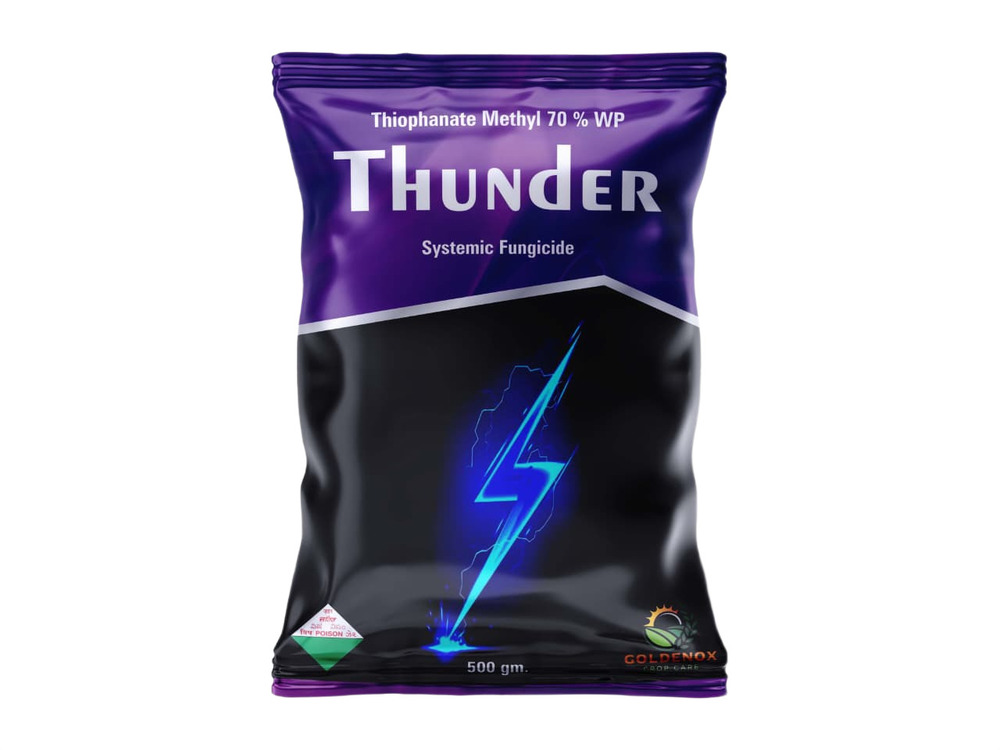
Price 1100.0 INR / Kilograms
Minimum Order Quantity : 100 Kilograms
MF : Goldenox
Type : Fungicide
Release Type : Other
Color : Brown
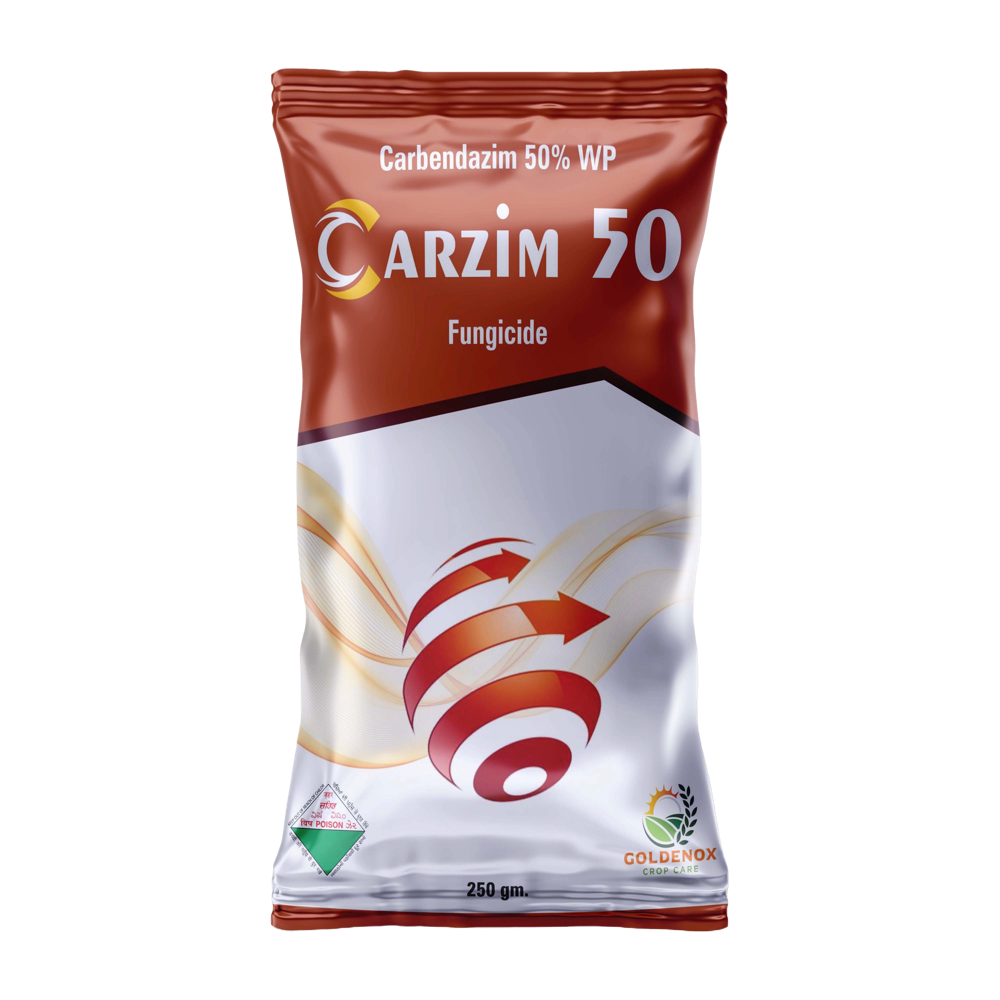
Price 780.0 INR / Kilograms
Minimum Order Quantity : 100 Kilograms
MF : Goldenox
Type : Fungicide
Release Type : Other
Color : White
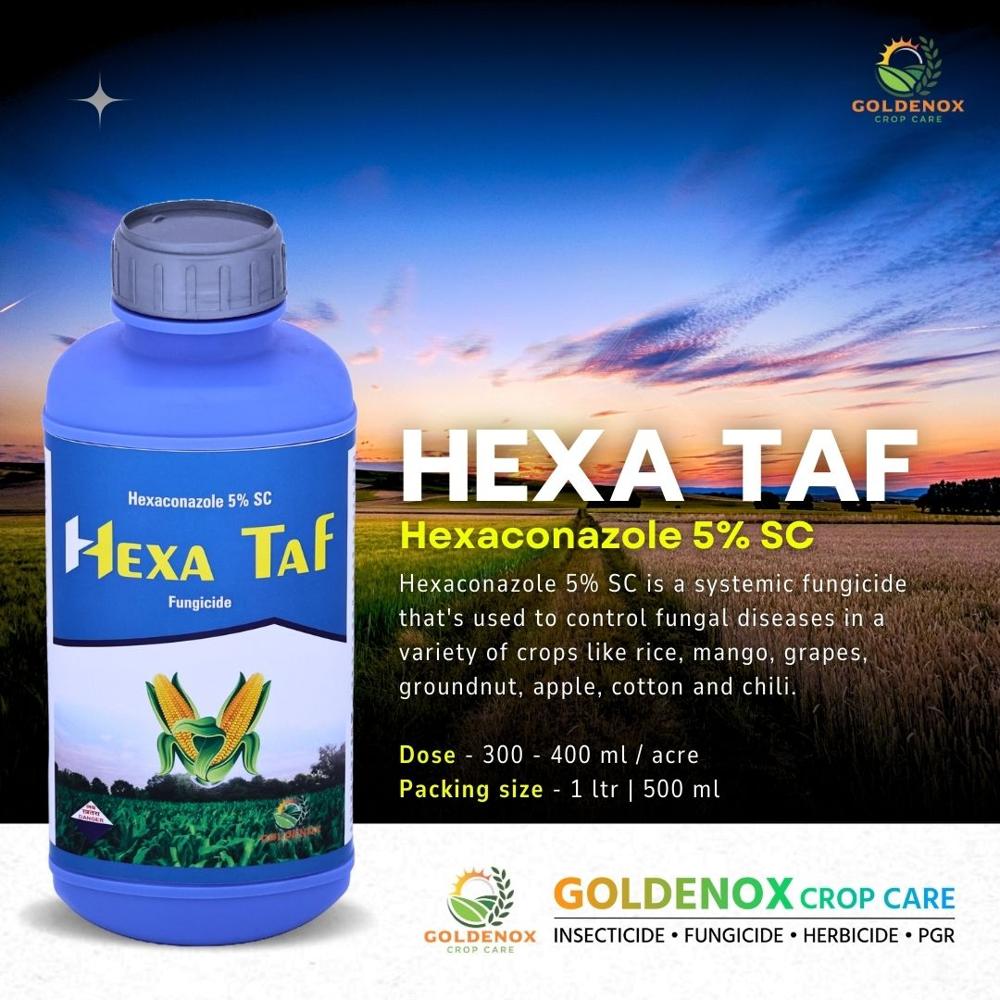
Price 320.0 INR / Liter
Minimum Order Quantity : 100 Liters
MF : Gujarat
Type : Fungicide
Release Type : Other
Color : White





 Send Inquiry


 Send Inquiry